What happens to animals when a natural disaster strikes?
What happens to animals when a natural disaster strikes?
When an earthquake hits a city, the cameras focus on collapsed buildings. When a wildfire sweeps through hundreds of hectares, the headlines talk about scorched land and evacuated residents. But there are other victims who rarely make the news: animals.
Every year, millions of animals – pets, farm animals and wildlife – die, go missing or are left trapped as a direct result of natural disasters. Their suffering is real, widespread and, to a large extent, preventable. Yet emergency protocols continue to ignore them systematically.
In this article, we look at what really happens to animals when disaster strikes, which species are most vulnerable, and what the Fondation Franz Weber – and you – can do to change this.
The most vulnerable species in a disaster
Not all animals have the same chance of surviving a natural disaster. The ability to flee, find shelter or adapt quickly can make the difference between life and death.
Pets – dogs, cats, rabbits – depend entirely on the people who care for them. If a family is evacuated without them, they are left trapped, without food or water, at the mercy of fire, floodwater or collapsing buildings. In many cases, the emotional bond leads people to go back for them, putting their own lives at risk.
Farm animals are particularly vulnerable because of their numbers and the logistical difficulty of moving them.
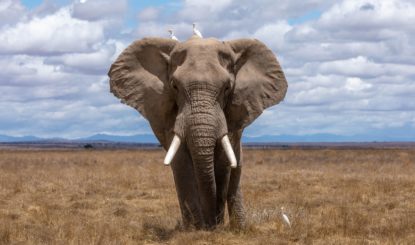
Wildlife suffers a different but equally devastating impact: the destruction of its habitat. A wildfire does not just kill the animals that cannot escape – small mammals, reptiles, nesting birds – it also destroys the ecosystem on which the survivors depend.
Earthquakes, floods, fires: the impact on wildlife
Each type of natural disaster affects animals in its own way:
- Earthquakes: the immediate impact is deadly for animals in fragile structures. But the problem persists: collapsed infrastructure makes it hard to reach food and water, and animal shelters are overwhelmed or destroyed.
- Floods: animals that cannot swim or climb drown. The water carries poisons, chemicals and pathogens that affect both aquatic and land animals. Survivors are left stranded on islands of dry ground, where overcrowding and lack of food cause a second wave of deaths.
- Wildfires: of all disasters, these have the greatest direct impact on wildlife. Fire spreads faster than many animals can move, trapping the least mobile. Those that survive return to a charred landscape with no shelter or food. The ecosystem can take decades to recover.
Who protects animals when everything collapses?
The honest answer: almost no one, at least not in an organised way. Most national and regional emergency plans are designed solely to protect human lives and infrastructure. Animals are left out of official protocols.
This leaves the burden of rescue to individual volunteers, local associations and animal protection organisations, which often act without sufficient resources or coordination.
How the Fondation Franz Weber responds to animal emergencies
For decades, the Fondation Franz Weber has worked on animal protection in emergency situations. One recent example is the fire that threatened the Sanctuary Equidad in Argentina: for days, the Foundation’s team worked alongside firefighters and wildfire brigades to protect the sanctuary’s animals, with the fire just 200 metres from the buildings.
The Red Dove campaign (“la Colombe Rouge”) was founded in 1981 by Judith and Franz Weber as a “Red Cross for animals”. After several missions, other urgent causes, long distances and logistical difficulties had slowed its activity. The missions carried out in 2026 after the earthquakes in Venezuela and Colombia mark a new beginning for the Red Dove.
What you can do at home
Protecting animals from natural disasters is not just the responsibility of governments and organisations. Each of us can play a part:
- If you have animals: include them in your evacuation plan. Always keep an emergency bag ready with their documents, food, medication and a pet carrier.
- If you want to do more: support organisations working in emergency animal protection. Your donation can make the difference between life and death for an animal that has no voice.